Don’t let potential customers slip away forever. Discover how remarketing turns lost visitors into loyal buyers.
Maybe this sounds familiar: people visited your site. They clicked. Maybe they added something to the cart, maybe they even made a purchase.
And then – they disappeared.
But if you play it smart, they don’t have to be gone for good.
Remarketing is your second (and often most effective) chance to bring them back and turn them into repeat customers.
In the following section, we’ll walk you through everything you need to know.
What is remarketing?
Remarketing, also known as retargeting, is a digital marketing strategy where you re-engage people who have already interacted with your brand but didn’t take the desired action – like making a purchase, signing up, or claiming an offer.
Why is remarketing used and how does it work?
It’s quite simple: when a user visits your site, a small file called a cookie is stored in their browser—or they are identified through their account or device. Based on that, you can later show them targeted ads as they browse other websites, use apps, or open emails—reminding them of something they started but didn’t finish.
People rarely buy right away, but if you remind them at the right time and place, the chances of them coming back grow significantly.
And it’s not just about closing the sale. With thoughtfully crafted messages, you can:
-
build trust and emotional connection with your brand,
-
strengthen loyalty among existing users,
-
give people a reason to return—whether that’s a new offer, added value, or exclusive content.
Let’s say you sell natural skincare.A visitor lands on your site, checks out a facial serum, adds it to their cart… and leaves. Maybe they were in a rush, maybe they wanted to “think about it,” maybe they just forgot.
The next day, while scrolling social media or reading the news, they see this ad:
“Your serum is still waiting. Get 10% off if you order today.”
They feel seen. Reminded. And they might just click—completing their purchase. That’s how you attract customers .
But don’t stop there.
After the purchase, you can send them an email with usage tips, suggest complementary products, or even a Viber message with a special offer. That way, you’re not just bringing them back—you’re starting the journey of turning them into a loyal customer.
Remarketing is your chance to build a lasting relationship.
Used wisely, it’s not a pushy sales tactic. It’s personalized, relevant communication—and customers recognize that. And reward it—with their return.
What are the benefits of remarketing?
Unlike traditional advertising that targets a cold audience, remarketing speaks directly to people who’ve already shown interest.
That changes the game—because you’re not starting from zero. You’re reaching users who already know you, and that comes with clear advantages.
1. Re-engaging already interested users
The biggest value of remarketing is that you’re not looking for a “needle in a haystack.” You’re targeting people who’ve already visited your site, viewed a product, maybe even added it to their cart—but didn’t convert.
That means:
-
they know you,
-
they already have a need,
-
they just need a little nudge to finish the process.
That’s why these campaigns are often more effective—and emotionally closer—than cold outreach.
2. Retaining existing customers and building loyalty
Remarketing isn’t just for those who didn’t buy.
It’s just as powerful for those who did—because you don’t want that purchase to be a one-time thing.
A returning customer:
-
knows your product,
-
has experience with your brand,
-
is more likely to become loyal—if given a reason.
Remarketing can:
-
showcase new products that genuinely interest them,
-
offer upgrades or related products (cross-sell, up-sell),
-
send personalized campaigns with exclusive perks.
It’s not just about increasing sales—it’s about building a connection. And over time, that connection becomes loyalty. And loyalty leads to repeat customers who recommend your brand.
3. Higher conversion rates compared to standard ads
The numbers don’t lie: users who’ve already engaged with your brand are significantly more likely to buy than first-time viewers.
Why? Because people buy from brands they recognize.
Remarketing doesn’t sell something new—it reminds them of something they already wanted.
The result?
-
Less convincing.
-
More conversions.
4. Lower cost per acquisition (CPA)
In traditional digital advertising, one of the biggest challenges is cost per acquisition—CPA.
With remarketing:
-
the user already knows you,
-
fewer ads are needed to convert them,
-
clicks are often cheaper due to lower competition.
So you spend less—and get more. A win-win for any marketing budget.
5. Increased brand awareness through repeated exposure
Even if the user doesn’t click right away, repeated exposure sticks.
It’s called the exposure effect—the more people see your brand, the more likely they are to remember and choose you later.
With smart campaigns, users see you:
-
on social media,
-
in search engines,
-
on the websites they browse,
-
in their inbox,
-
and even in messaging apps.
And when they’re finally ready to buy—it’ll be from you.
Remarketing isn’t just a “nice-to-have” tool—it’s a smarter, more efficient way to invest in advertising with better results, lower marketing costs, and a deeper connection with your audience. It’s how you build brand loyalty.
Top remarketing techniques
Remarketing isn’t “one ad fits all.” Its true power lies in precise targeting—at the right time, to the right person, with the right message. Here are the key techniques:
1. Pixel-based remarketing
The most common and fastest method.
How it works:
You install a small code snippet (a pixel) on your site—Google or Facebook, for example. When someone visits a specific page (like a product page or checkout), the pixel tracks them and adds them to a remarketing list.
You can then:
-
show ads only to users who viewed certain products,
-
create campaigns for abandoned carts,
-
continue the conversation from where the user left off.
2. List-based (CRM/email) remarketing
This method uses data you already have—like emails, phone numbers, or CRM records.
Benefits:
-
you know who they are and what they’ve done,
-
you can send highly targeted messages,
-
perfect for reactivation or personalized promotions.
Example: a customer bought shampoo 30 days ago. Now they receive an email or ad for the matching conditioner:
“Your hair knows when it’s time for the next step.”
3. Sequential remarketing (storytelling approach)
This isn’t about one ad—but a series of messages over time. Each message builds on the last.
Why it works:
People don’t always act on the first message. Sequential campaigns build trust, spark curiosity, educate—and eventually lead to action.
4. Engagement-based remarketing
This method focuses on user behavior. It’s not enough they just visited—you target those who interacted:
-
clicked a button,
-
watched a video,
-
liked a post,
-
opened an email,
-
read an article to the end…
Highly engaged users get more personalized, intense campaigns—because they’re closer to converting.
There’s no single “best way” to do remarketing. The ideal approach depends on your goal—whether it’s re-engagement, loyalty, cross-sell, or product launch. The best campaigns combine techniques with perfect timing and personal messaging.
Spotlight: a smarter way to do remarketing
Most businesses know what remarketing is. But few know how to run it across multiple channels—without the tech headache.
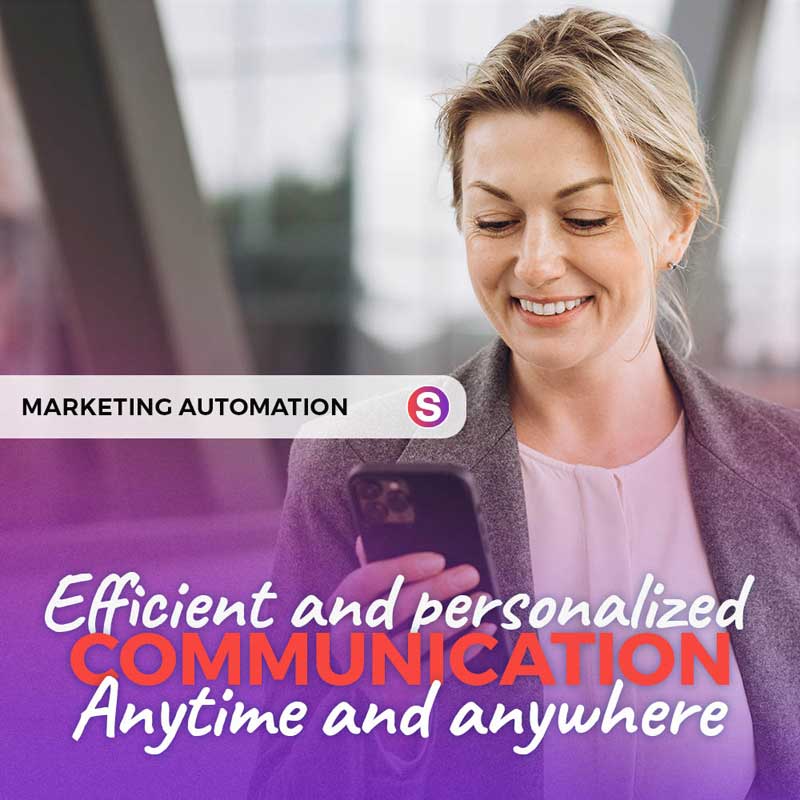
That’s where Spotlight comes in: a locally developed platform that enables effective multi-channel remarketing through email, SMS, Viber, and push notifications—all in one place.
How does the Spotlight system work?
Spotlight is a platform and marketing tool that helps you stay connected with your customers—even after they leave your website or store.
Instead of relying solely on ads, Spotlight lets you:
-
send personalized messages at just the right time,
-
use the data you already have (email, phone number),
-
automatically respond to user behavior (e.g. abandoned cart, unopened email, 7 days of inactivity…).
The system tracks and analyzes performance—so you know what works.
Benefits of multichannel communication: Email + SMS + Viber + Push
Unlike traditional tools that operate on a single channel, Spotlight enables multichannel engagement and marketing automation:
-
Email marketing – for in-depth messages, newsletters, and personalized offers
-
SMS – for short, urgent updates (works great for abandoned cart reminders)
-
Viber – rich, visual messages that drive engagement (especially among younger audiences)
-
Push notifications – instant alerts delivered to phones or desktops
Combined, these channels allow you to reach users wherever they are—without overwhelming them, but with smart targeting and measurable results.
Marketing automation and personalization – perfect for local brands and physical stores
If you run a physical store, online shop, or local brand, Spotlight is your backstage assistant, working while you focus on your business.
-
Automated messages – no need to send anything manually; Spotlight does the work for you
-
Personalization – messages adapt to each user based on behavior, interests, and past purchases
The result?
More repeat purchases, stronger loyalty, and fewer missed opportunities.
Spotlight isn’t just a tool—it’s your digital salesperson, available 24/7 to remind, re-engage, and build meaningful customer relationships.
Whether you run an e-commerce store or a brick-and-mortar location, if you want your contacts to be more than just names on a list—but loyal, returning customers—Spotlight is the place to start.
Types of Remarketing
There are several types and methods of running remarketing campaigns, depending on your platform, campaign goals, and communication channels. Here are the most important types of remarketing you can use:
Standard Remarketing (Google Display Network)
This is the classic form of remarketing, where Google’s ad system displays banner ads to users as they browse other websites.
Dynamic Remarketing
Unlike standard remarketing, dynamic ads show the exact products a user previously viewed—making each ad highly personalized and relevant.
CRM-Based Remarketing
This approach uses your internal customer database—such as email addresses, phone numbers, or user accounts—to re-engage known contacts.
Email Remarketing
One of the most effective channels for winning users back. It targets people on your email list who haven’t completed a purchase or didn’t open a previous email.
Viber and SMS Remarketing
Fast, direct, and personal communication. Perfect for urgent messages, exclusive discounts, and time-sensitive reminders.
Push Notifications
These messages go straight to the user’s device—even when they’re not browsing your website. They’re quick, non-intrusive, and often have high open rates.
By combining multiple remarketing types—banners, video, email, Viber, and push—you don’t just increase the chances of bringing the user back. You follow them throughout their buying journey, adapting to their habits and preferred channels.
Remarketing vs. Customer Retention
At first glance, remarketing and customer retention may seem like the same thing. After all, both aim to keep users from disappearing forever. But the key differences lie in timing, communication style, and the user’s stage in the journey.
Remarketing: Bringing back users who’ve left
Remarketing is a reactive strategy. It’s used when someone has already left your site, app, or brand—without completing the desired action.
The goals of remarketing are to:
-
remind them of what they saw,
-
bring them back through a personalized message,
-
drive conversion.
Retention: Keeping users engaged once they’re in
Customer retention is a proactive strategy. The goal is to keep users active after their initial interaction—whether they’ve made a purchase, subscribed to a newsletter, or created an account.
Retention tactics often include:
-
educational email sequences,
-
onboarding messages,
-
special offers for loyal customers,
-
loyalty programs.
Where do they overlap—and where do they differ?
Overlap:
Both remarketing and retention use similar channels (email, push, SMS, Viber) and aim to re-establish contact. They can both be powered by the same tools—like Spotlight—but they differ in purpose and timing.
Key differences
| Aspect | Remarketing | Retention |
|---|---|---|
| When it’s used | After a user leaves the site without taking action | After a user becomes a customer or registered user |
| Primary goal | Bring users back and complete a conversion | Long-term engagement and customer loyalty |
| Tone of communication | More urgent, encourages return | Warmer, educational, and supportive |
| Message example | “Your cart is still waiting!” | “Enjoy your discount on your next purchase.” |
A loyalty program isn’t just about the next purchase—it’s about building a long-term relationship. It rewards more than transactions: repeat purchases, referrals, survey participation, birthday shopping, and other forms of engagement.
Example:
A customer who has placed three orders in the last two months receives a message:
“Thank you for your loyalty! A special gift awaits you in your next order.”
The goal? A sense of belonging → emotional brand connection → long-term loyalty.
Remarketing and retention are not interchangeable—they are two complementary parts of a growth strategy. The first brings lost users back. The second turns them into loyal customers who stick around.
When combined, you don’t just increase sales—you build lasting relationships.
How to Set Up High-Performing Remarketing Campaigns
If you want real results—more conversions, more registrations, more returning customers—your campaign needs to be smart: clear goals, sharp targeting, and compelling messages.
Here’s how to do it right:
1. Set a Goal: What Do You Want to Achieve?
The first step isn’t technical—it’s strategic.
Ask yourself: what action do I want users to take?
Common remarketing goals include:
-
Conversions (product or service purchase)
-
Sign-ups (newsletter, webinar, account)
-
Return visits (to continue a started process)
-
Downloads (apps, guides, coupons)
Example: If someone added a product to their cart but didn’t buy, your goal isn’t brand awareness—it’s cart completion.
2. Create Your Audience: What Is a Remarketing List?
A campaign targeting “everyone who visited the site” won’t cut it.
You need smart segmentation—your most valuable asset is the remarketing list.
These users have:
-
viewed multiple pages,
-
added items to cart,
-
spent time on your site,
-
returned within a short period.
They’re closest to conversion—and deserve tailored messages, special offers, and emotionally driven ads.
Example: Out of 10,000 monthly visitors, maybe only 1,000 qualify for remarketing list A—but they’ll bring in 80% of your conversions.
3. Set Duration and Frequency
Overdo it, and users will tune you out. Wait too long, and they’ll forget you.
It’s all about timing and balance.
Example:
An abandoned cart campaign might last 5–7 days, while a loyalty-driven campaign could run for 30+ days with periodic check-ins.
4. Test, Measure, Optimize
One ad is never enough. Use A/B testing to learn:
-
Which visuals convert better
-
Whether SMS or email gets more responses
-
Which CTA drives action
Test it all: colors, headlines, campaign length, send times, channels (email vs. Viber vs. push).
And most importantly—track performance and optimize as you go.
Advanced Tips & Common Mistakes to Avoid
Once you master the basics, it’s easy to fall into autopilot—and that’s where most mistakes happen.
Today, remarketing is no longer just “a cart reminder.” It’s a well-orchestrated, multi-channel strategy powered by data, personalization, and automation.
If you want your remarketing to truly build loyalty and long-term value, watch out for these pitfalls—and follow these best practices:
Poor Segmentation
If everyone gets the same message—you’re effectively talking to no one.
Different users require different messages depending on:
-
which product they viewed,
-
previous purchases,
-
email engagement frequency.
Example:
“Loyal customers who buy every 30 days” need a different campaign than “one-time visitors.”
Lack of Personalization
“Don’t forget to complete your purchase” is too generic.
Users expect context-aware messages—what they viewed, when, how often, whether they’ve bought before, etc.
Message Overload
Sending five messages in 48 hours? Prepare to be blocked.
Too much messaging kills trust and burns leads.
Disconnected Channels
Email, SMS, Viber, push—should not operate in silos.
Without strategy, you risk redundant or conflicting messages.
Pro tip: Create unified flows.
The user ignores the email? Send a product visual on Viber.
Still nothing? Trigger a push reminder.
Final nudge? Close the deal with a well-timed SMS.
Ignoring Customer Data Platforms (CDPs)
If you’re not using your existing customer data platform—habits, purchases, behavior—you’re missing out.
When you have access to data such as:
-
most purchased items,
-
preferred communication channel,
-
average order value,
…you can automate campaigns that feel hand-crafted for each user.
Example:
High-value customers receive exclusive deals.
Inactive ones get reactivation campaigns—fully automated, fully personalized.
Effective remarketing is not a reminder. It’s a tailored user experience—driven by data, segmentation, and smart automation.
With the right tools and strategy, remarketing doesn’t just sell. It builds loyalty.
Is Remarketing Essential?
If you’re already investing in ads, SEO, content, and social media—but not doing remarketing—you’re leaving money on the table.
That’s why remarketing isn’t optional. It’s critical for any brand that wants to:
-
maximize traffic ROI,
-
recover lost leads,
-
build more than a sale—build a relationship.
When done right, remarketing:
-
boosts return on investment (ROI),
-
complements every stage of the marketing funnel—from awareness to purchase,
-
encourages repeat purchases, not just impulse buys.
Next Step: Try Spotlight
If you’re looking for a platform that lets you launch remarketing campaigns quickly, easily, and effectively—with email, SMS, Viber, and push all in one place—Spotlight is where you start.
Want your visitors to come back—and stay?
Remarketing isn’t a gimmick.
It’s a strategy.
And now you’re ready to use it.