Mass messages no longer work. Personalization does. Learn how to tailor your communication and win customers for life.
The reality of mass marketing: you send thousands of messages, and barely anyone reacts. But when a message reaches the right person at the exact moment they need it, the effect is completely different. That’s the essence of personalization.
Today’s customers don’t want to be “just anyone.” In a world where individuality is celebrated, everyone wants to be their authentic, special “me.”
When a brand sends a generic notification like “20% off everything,” it gets lost in a flood of similar offers. But if the message says: “Your favorite shampoo is now 20% off,” the customer perceives it as a gesture of attention.
Of course, such messages can’t be random – they need to be the result of a system that tracks customer habits, identifies needs, and reacts at the right time.
Personalization today is the baseline requirement for a brand to survive and grow in a market where customers can switch to another store or manufacturer with just one click.
A brand that personalizes its communication shows that it cares about building a long-term relationship – not just about a one-time transaction.
In the following sections, we’ll cover the key forms of personalization – from communication and offers to sales and customer experience. You’ll see why personalization is more than just a marketing tactic: it’s the path to building lasting loyalty.
What is personalization and why does it matter?
Simply put, personalization means addressing your customer as a person – not just a number in your database.
This means that messages, offers, and recommendations are not the same for everyone, but are tailored based on real data – what the customer buys, how often, what they’re interested in, and which promotions are relevant to them.
Why is this important?
The numbers speak for themselves: more than 80% of consumers say they’re more likely to buy from a brand that offers personalized recommendations. At the same time, 70% abandon brands that send irrelevant offers. In other words, personalization isn’t a bonus – it’s a matter of survival.
There’s also a powerful psychological effect: when a message includes the customer’s name or a recommendation for a product they genuinely need, it creates a sense of attention and importance. That’s the moment when the customer stops seeing the brand as just another seller and starts perceiving it as a partner.
Of course, when you have thousands or even tens of thousands of customers, no one expects you to send messages one by one.
The essence of personalization lies in segmentation – grouping customers based on their habits, interests, or purchase frequency. For example, everyone who regularly buys a specific product receives a message about it, while fans of another category get a different offer.
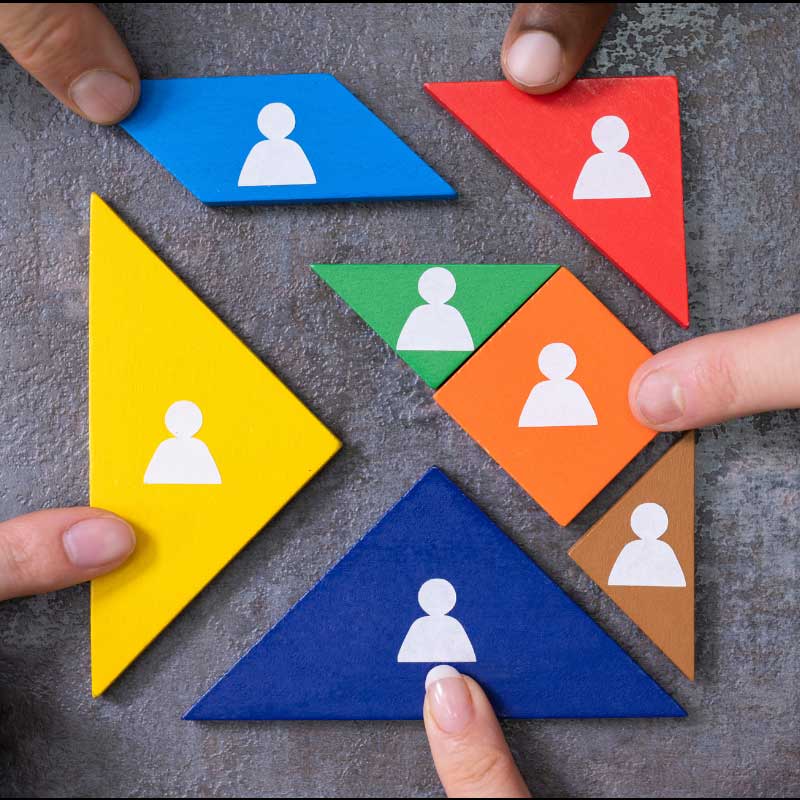
The next step forward is automated personalization by name – the system itself recognizes who the message is intended for and adapts it so the customer sees their own name. This makes the message feel personal, even though it’s being sent to hundreds or even thousands of people at once.
It’s exactly this combination of segmentation and automation that keeps communication relevant and human, even when it reaches a massive number of customers.
And that’s precisely the combination the Spotlight loyalty program brings to your business.
The Benefits of Personalization for Brands and Customers
Personalization is one of those rare business strategies where both sides win. The customer receives communication and offers that actually make sense, while the brand enjoys higher response rates, stronger sales, and a more stable base of loyal customers.
For customers, the value is obvious: instead of dull, irrelevant messages, they get information that makes decisions easier and saves time. If they regularly buy a specific product, receiving a personalized discount on that very product feels like a gesture of attention. That’s how emotional connections with a brand are built.
For brands, the advantages are even greater:
-
Reduced budget waste by targeting only the customers with the highest potential.
-
Higher average basket value because personalized offers encourage additional purchases.
-
Long-term customer loyalty, as shoppers feel the brand cares about them, not just profit.
And there’s also a crucial business rationality:
Investing in personalization pays off through higher revenue, lower campaign costs, and a clearer understanding of who your customers are and what they want.
Personalized Customer Communication
Online communication is often the first impression that shows customers whether your brand understands them. If a message feels like a copy-paste sent to everyone, chances are it will be deleted before it’s even read. But when the message brings something truly relevant to the recipient, the reaction changes completely.
Imagine two scenarios. In the first, you receive a text: “Big sale – 20% off everything!” That’s a generic approach. It may spark short-term interest, but it also signals that the brand knows nothing about you. In the second scenario, you get: “Your favorite shower gel is 20% off today.” Same discount, but tailored in a way that shows the brand actually knows you.
For brands, this means shifting from mass messaging to thoughtful segmentation.
Communication is built on customer data and analytics: who buys which products, when, how often, and on which channels they respond best. Every message is crafted to hit the right target.
Personalized Offers
An offer is the moment when a brand lays its cards on the table – what it has for the customer and under what conditions.
If the offer looks no different from the dozens of promotions the customer sees every day, it gets lost in the noise. But when it’s shaped around their habits, it becomes a clear sign of attention.
For example, someone who buys sports supplements won’t care about a discount in the kitchen section, but they might respond instantly to a deal on protein powder.
Personalizing offers means the customer doesn’t have to “filter” information – you serve them what they truly need.
You save them time and show you understand their habits. And when a brand proves it knows its customers’ preferences, it increases the chance that shoppers will not only stay but also try new products within the same category.
For the brand, this practice doesn’t just improve conversion – it gives greater control over promotions. Instead of wasting budget randomly, resources go to offers with the highest impact – where the chances of response are greatest.
Personalized Sales
Sales are where personalization shows its impact most clearly in the numbers. When you offer the customer exactly what they need, at the moment they need it, the result is a higher basket value and less temptation to switch to a competitor.
In practice, personalized sales can look simple: suggesting a product that is often bought together with what’s already in the cart, or notifying the shopper that with just one more item they qualify for a special reward. These aren’t coincidences – they’re data turned into smart recommendations.
From the customer’s perspective, this doesn’t feel like pressure to buy something unnecessary. Instead, it feels like the brand is thinking ahead. If they regularly buy coffee, it makes sense to offer them a discount on filters or mugs. That’s not pushing products – it’s offering practical help.
For the brand, this means optimizing every sales touchpoint.
Personalized selling doesn’t just raise the basket value – it also increases customer satisfaction, because purchases feel natural and effortless.
Personalized Customer Experience
Personalization doesn’t end with a message or a discount – it extends through the entire customer journey.
This means that from the very first interaction to the completed purchase, whether in a physical store or online, the customer feels recognized and valued every step of the way.
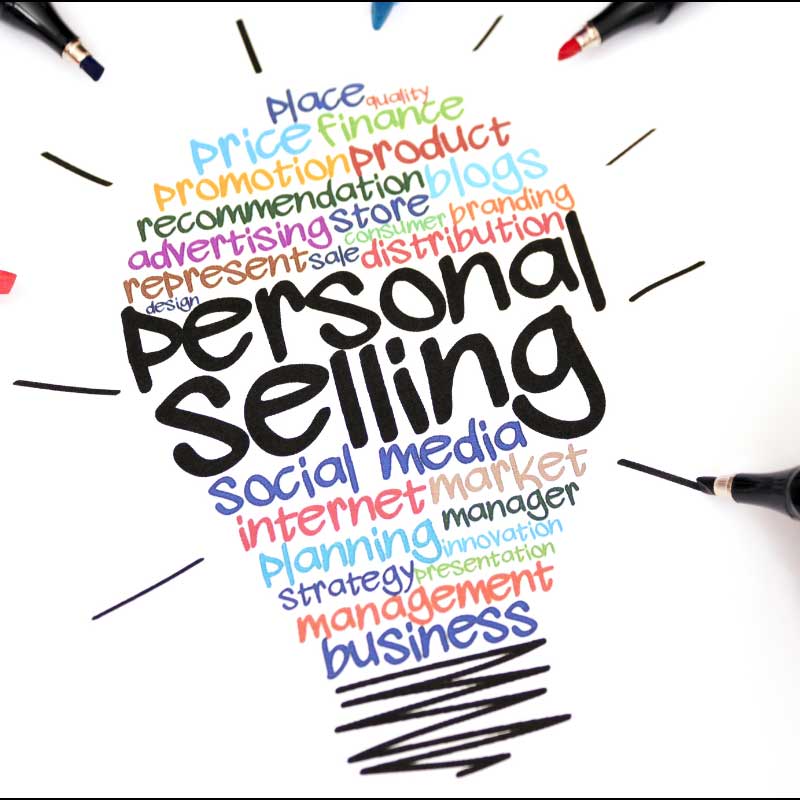
In practice, this can look like an app that remembers previous orders and offers a “repeat purchase” option, or like sales staff who can see purchase history and know what a customer usually buys. Online, it’s the familiar “products you may also like” suggestions based on past choices. In a physical store, it can be a loyalty card that doesn’t just collect points but also recognizes customer habits.
For customers, this approach means easier decision-making and the feeling of being in the spotlight. Instead of scrolling through endless options, the brand shortens the path and helps them find what they need faster.
For brands, it means fewer abandoned purchases, more satisfied customers, and a higher likelihood of repeat business.
Spotlight Loyalty Program – Smart Personalization in Action
All of this makes perfect sense, but in practice the question arises: how do you implement it without chaos? The answer lies in a system that unifies all customer data and turns it into actions. That’s exactly what the Spotlight Loyalty Program does.
Instead of sending communication “blindly,” Spotlight enables segmentation based on customer habits and needs. Some respond better to SMS, some to email marketing, others to Viber – Spotlight connects all these channels into a single system.
Beyond communication, Spotlight offers dynamic coupons and rewards – discounts and perks that automatically adapt to each customer. Promotions are no longer generic but smart and targeted. And what matters most for business – Spotlight provides real-time analytics. That means you instantly see what’s working and what’s not, and you can adjust your strategy without wasting time and resources.
For brands, Spotlight is the marketing tool that turns personalization from theory into practice – with clear, measurable results.
FAQ – Most Common Questions About Personalized Selling
What is personalization in marketing?
It’s the process of tailoring communication, offers, and experiences to each customer’s needs, instead of using a one-size-fits-all approach.
Is personalization complicated?
It doesn’t have to be. With the right system, data is collected and processed automatically, giving you ready-to-use insights that help you create messages and offers that make sense.
Is personalization only for big companies?
Not anymore. Today, small and mid-sized businesses can also use tools that enable segmentation and targeted communication. With Spotlight, personalization is no longer reserved for the big players.
How do I know if personalization works?
It’s simple – you measure results through open rates, redeemed coupons, average basket value, and repeat purchases. If those numbers are going up, your personalization strategy is working.
If you want your communication to stop being “just another message in the inbox” and start being a signal of attention that customers notice and value, personalization is the way forward.
Spotlight is how you take that step today. To get your ticket on this journey to success, all it takes is one click below.