
Don’t risk staying unnoticed – learn how to build a brand that customers remember and choose again and again. Here are practical tips that will guide you from an idea to loyal customers.
Why is everyone talking about branding today?
Because it’s no longer enough to just have a good product or service. You may be asking yourself: “If my product is high quality, why do customers still choose the competition?” The answer often lies in the brand – in what your company represents in the eyes of your customers.
The difference between “having a product” and “having a brand” is simple: people buy a product once, but they keep coming back to a brand.
A product solves a need, but a brand creates a sense of trust, belonging, and connection. When people choose a brand, they’re not just buying functionality – they’re buying an experience, values, and the promise behind that name.
In the sections below, you’ll find concrete steps on how to build a lasting brand – one that attracts new customers but also turns existing ones into loyal ambassadors of your business.
What does it mean to build a brand?
When you hear the word brand, you might first think of a logo, colors, or packaging design – but a brand is much more than that.
A brand is the set of values, experiences, and emotions that customers associate with your name. It’s the feeling they get every time they think about you or interact with your offer.
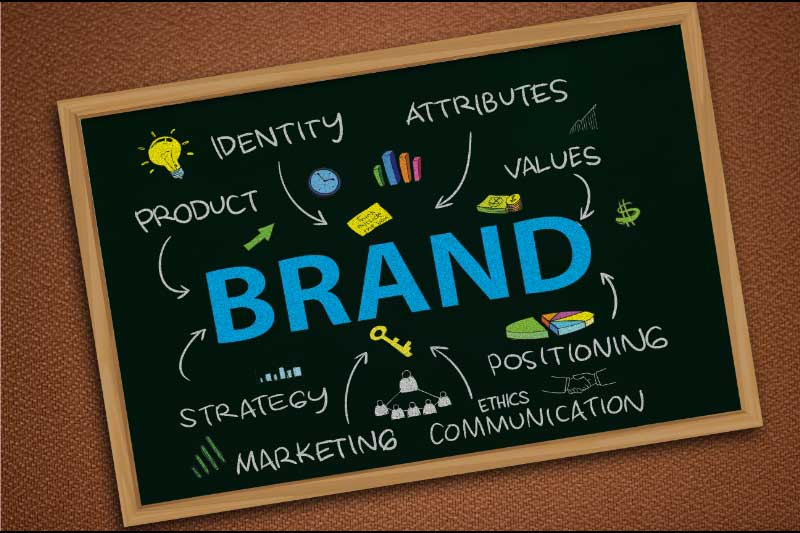
A name is what you need to exist in the market, but a name alone doesn’t guarantee people will remember you. A brand gives weight to that name, turning it into a promise and a symbol of quality.
If you’re wondering how to create a name and brand that people will truly associate with value – the answer is in focusing on the story, the emotion, and the experience, not just the product. In other words – emotional branding.
A practical example: Starbucks
When a customer walks into Starbucks, they’re not just paying for coffee. Coffee can be bought on any corner, often cheaper. What they’re actually buying is the experience – the music, the atmosphere, the personalized touch when their name is written on the cup. Starbucks has turned an ordinary drink into a brand that customers perceive as part of their lifestyle. They’re not just buying coffee – they’re buying a sense of belonging and an identity that the brand represents.
How to build your brand in 6 steps
The answer isn’t in a single move or in expensive marketing. A brand is built gradually, through clear steps that shape how the market perceives you. Here’s what matters:
Define your values and mission
The first step isn’t visual identity but your foundation. Ask yourself: “What do I want customers to feel when they think of my brand?” If your values are clearly defined – trust, innovation, community – they will guide all of your decisions and actions.
Choose a name and visual identity
A name must communicate your message. A strong name is memorable, unique, and reflects your story. Visual identity (logo, colors, typography) should be an extension of those values, not just a “pretty picture.”
Position yourself in the market
A brand exists to stand out. Define where you stand compared to the competition: are you offering a better price, better quality, or a unique experience? If you don’t differentiate yourself from the competition, the market won’t notice you. Positioning is the map that shows why someone should choose you.
Communication strategy
A brand speaks through its words, tone, and channels. Decide whether you’ll sound formal and serious or friendly and approachable. The channels (social media, email, offline communication) must align with that tone.
Product branding
This is where theory meets practice. Product branding means every detail – from packaging and delivery to presentation – communicates your brand’s message. Customers aren’t just buying a product; they’re buying the experience that comes with it.
Consistency and measuring success
The strength of a brand lies in repetition. If you’re consistent, customers will recognize and remember you. And how do you know if your brand works? By measuring – sales, repeat purchases, brand loyalty analysis. Branding is not something you “do once and finish” – it’s constantly tested and adjusted.
Branding – from logo to loyalty
A product is just the starting point. It solves a specific customer need – functionality, quality, price. But in today’s environment, that’s no longer enough. Customers have too many options and can easily switch to competitors. The difference lies in branding.
And branding doesn’t stop once a customer pays and walks out. That’s when the real work begins.
A brand proves itself by whether or not the customer comes back.
This is where Spotlight comes in – helping ensure your brand isn’t just a name and a logo, but a system that keeps customers returning and builds long-term relationships.
Spotlight and customer loyalty as part of branding
The Spotlight loyalty platform is a practical extension of what you want your brand to represent.
- Loyalty programs as brand identity: If your brand values “rewarding effort and loyalty,” then a loyalty program is a natural extension of that identity. It’s not just a marketing trick – it’s a logical confirmation of your values.
- Customer analysis – knowing what builds loyalty: You may think customers come for the price, but data might show they stay for convenience or personalized service. Spotlight’s analytics give you answers, not guesses.
- Gamification and gift cards – creative ways to stay relevant: When a customer earns rewards through a game or shares a gift card, your brand becomes part of conversations, fun, and everyday routines. That’s far stronger than a simple discount.
Why loyalty matters in branding
A brand is not what you write in a presentation – it’s what customers feel when they interact with you. If they don’t come back, you don’t have a brand – only a product.
Customer loyalty is what makes a brand alive. It’s what turns a one-time purchase into customers who recommend you to friends.
Without loyalty, branding is just surface-level – nice packaging without depth. It might attract attention once but won’t keep customers.
How loyalty builds recognition:
- Repeat purchases: Each return strengthens the brand in the customer’s mind.
- Word of mouth marketing: Loyal customers are your most effective ambassadors.
- Emotional connection: People don’t connect emotionally to a logo, but to the experience you provide.
Spotlight gives you the tools to make this happen:
- Loyalty programs that turn occasional buyers into long-term ones.
- Customer segmentation and analysis that reveal what truly drives your audience.
- Gamification and gift cards that make interactions fun and personal.
- Omnichannel communication for a consistent experience online, offline, and on mobile.
By combining these marketing tools, your brand stops being just a market name and becomes a living community of customers who come back – because they want to, not because they have to.
Common mistakes in branding
When thinking about how to build a brand, it’s just as important to know what not to do.
Here are the most common mistakes:
- Focusing only on logo and visuals – Customers don’t stay loyal to a color or font, but to feelings and experiences.
- Copying the competition – If you look and sound like everyone else, you become invisible.
- Inconsistent communication – Switching tones and messages confuses your audience.
- Ignoring customer data – Branding without data is like shooting in the dark.
- Neglecting loyalty – Focusing only on acquiring new customers wastes resources, while real power lies in keeping existing ones.
Each of these mistakes costs trust – and trust is the foundation of a brand.
FAQ – Most common branding questions
How to create a name and brand that lasts?
The name should be simple, unique, and connected to your story. But it becomes a brand only when tied to values, storytelling, and customer experience.
How much does branding cost?
It depends on the scope. From just a visual identity to a full strategy with packaging, communication, and loyalty programs. But it’s an investment – a strong brand lowers acquisition costs and increases customer lifetime value.
Can small businesses build a strong brand?
Absolutely. In fact, small businesses often have an advantage – authenticity and personal connection. Local shops with personalized experiences and smart loyalty programs become recognizable brands in their niche.
How do loyalty programs help branding?
They extend the brand’s identity by making customers feel valued and part of a community. Through rewards, personalization, and analytics, they build emotional connection.
You can have the best product and the most beautiful logo, but without loyalty – a brand is just an image on paper. A true brand is built through relationships, measured by how often customers return and recommend you to others.
If you want your brand to be more than just another name on the market, it’s time to weave loyalty into its very core.
Spotlight can help you do just that – with loyalty programs, gift cards, customer analytics, and gamification – all in one place, designed to turn your customers into true ambassadors of your brand.