
Forget cold campaigns. Emotional branding is what makes people choose a brand—even when they don’t need anything.
If you’ve ever tried to “keep” customers with numbers, you know how quickly they disappear when someone else offers the same—or cheaper. But people don’t stay because of price. They stay because of a feeling—something they can’t quite explain, but that keeps bringing them back to you.
That’s emotional branding—the invisible reason why some brands become part of who we are, while others are just a stop along the way.
What do the most beloved brands have in common?
Why do people love brands that aren’t the cheapest or the most convenient? Why do they wait in line for products they could buy elsewhere? And how does someone say, “That’s my brand,” as if they’re talking about something personal—not just a purchase?
The answer isn’t functionality. It’s emotion.
People don’t always remember exactly what you sold them, but they remember how it made them feel.
The most beloved brands aren’t the ones that offer the most—they’re the ones that spark something in people: a sense of safety, excitement, nostalgia, inspiration, belonging.
That’s not a coincidence. It’s strategy.
Emotional branding builds relationships that last—even when the ad budget runs dry. It creates customer loyalty that doesn’t depend on market conditions, but on how much the customer sees themselves in the values the brand communicates.
The brands we love become part of our everyday language, our lifestyle, our personal identity. We don’t always choose them rationally. We choose them because they feel like ours.
And that’s exactly where the difference begins—between a brand and a product, and between loyalty and a one-time purchase.
Emotional Branding – Meaning and Mechanism
Emotional branding isn’t a logo, a slogan, or just another “story-driven” campaign.
It’s a strategy where the brand isn’t just trying to sell—but to connect.
The goal isn’t to persuade, but to tap into something deeper: values, beliefs, identity.
It’s not about attracting customers once—it’s about making them come back, again and again.

When we talk about emotional branding, we’re talking about how someone feels while using your product.
Do they feel empowered? Protected? Special?
That’s the difference between “just another option” and “my choice.”
Emotions drive decisions far more often than we like to admit.
People don’t always choose what’s rationally the best deal—they choose what makes sense to them, what makes them feel better.
And science backs this up: even in B2B environments, an emotional connection with a brand increases the likelihood of purchase and repeat purchase more than price or technical specs ever could.
That’s why it’s crucial to distinguish between two types of loyalty:
-
Rational loyalty is based on benefits—price, speed, convenience. But the moment someone else offers more, the customer leaves.
-
Emotional loyalty is a lasting bond, even when the offer isn’t “the best on the market.” It’s the feeling of: “This brand gets me.”
Brands that succeed at this aren’t just improving sales—they become part of people’s everyday lives.
And that’s something you don’t measure in clicks. You measure it in the feeling that lingers long after the ad is gone.
The psychology behind it: why do we buy ?
Purchasing is rarely just an exchange of money for a product.
More often, it’s a search for a feeling: a validation of identity, a sense of belonging, or affirmation of personal values.
People don’t just choose what gets the job done—they choose what reflects who they are.
That’s why a brand that resonates doesn’t need to explain everything rationally.
It only needs to send the right signal: “We see you. We know what matters to you.”
That’s the moment when logic fades into the background—because emotion, identification, and the feeling of being in the right place take over.
There’s clear psychology behind this:
-
Identity – We choose brands that reinforce the image we have of ourselves (or the one we want to build).
-
Values – We feel connected to brands that reflect our beliefs, worldview, and mindset.
-
Belonging – We want to be part of a community, a movement, a style—and a great brand knows how to spark that without asking for anything directly.
Neuromarketing confirms it.
Emotions are processed faster than rational information.
The brain reacts to color, tone of voice, symbolism, music, scent—long before it reaches the “product specifications.”
The first impression isn’t a mental calculation—it’s a chemical reaction.
Emotional triggers like nostalgia, humor, empathy, or safety create an instant bond.
When woven skillfully into a brand, they don’t just sell the product—they position it as part of something that already feels like ours.
How do brands build emotional connection?
An emotional connection with a brand doesn’t happen overnight.
It’s built like any other relationship—through small, consistent signals that say: “You matter here.”
The most successful brands achieve this by stopping the sales talk—and starting to tell stories, like real people.

Storytelling: The path to your customer’s heart
People remember stories—not features.
Good storytelling doesn’t explain what a brand does, but why it does it—and for whom.
Instead of saying, “Our product lasts five times longer,” the story says,
“Because we believe you shouldn’t have to buy the same thing every month.”
Through stories, brands reveal their values, their human side, and the emotion behind everything they do.
It could be the founder’s journey, a real customer experience, or even how the brand responds to criticism.
All of that builds connection—and brand loyalty.
Consistent communication across all channels
You can’t build a true connection if your website promises one thing, your social media shows another, and your customer support delivers something else entirely.
Consistency is a quiet promise that you are who you say you are—always, everywhere.
That means your tone of voice, visual identity, values, and messaging must align—whether the customer is seeing an ad, reading an email, using your app, or talking to a support agent.
Consistency isn’t boring—it’s trust in action.
And when it comes to emotional connection, trust is the currency.
Loyalty programs as an extension of emotional branding
The purchase is just the beginning of the relationship.
If you want it to last—you have to nurture it. That’s where loyalty programs come in.
A great loyalty program doesn’t just say, “Thanks for shopping.”
It says, “I understand what matters to you, and I want you to stay.”
It’s not a mechanical add-on to sales—it’s an extension of the brand, a place where values are turned into actions.
That’s why the most successful brands use loyalty programs as a tool for emotional branding:
-
Personalized offers that reflect each customer’s needs and lifestyle
-
Rewards that go beyond discounts—early access to new products, exclusive invites, handwritten notes
-
Communication that doesn’t sell, but builds appreciation and a sense of shared identity
In this context, platforms like Spotlight make it possible to turn every interaction into an opportunity to deepen the connection.
By using behavior and preference data, brands can tailor their communication, rewards, and experiences so that what the customer sees truly fits them—not the market average.
The Four pillars of emotional branding
An emotional connection with a brand doesn’t happen by accident.
It’s built on clear foundations—pillars that support trust, belonging, and lasting loyalty.
According to the framework by Marc Gobé, one of the pioneers of emotional branding, this connection rests on four essential pillars:
1. Relationship (Closeness)
People stay loyal to brands that understand them.
Closeness doesn’t mean “we know your name”—it means we know how you feel.
This pillar is about empathetic communication, nurturing a two-way relationship, and making customers feel important.
When a customer senses that a brand understands their needs—even before they express them—that’s where loyalty begins.
Loyalty programs play a key role in this process.
Through personalized offers and rewards, brands can show they truly understand the individual needs and desires of their users.
For example, by using data from loyalty cards, brands can tailor communication and experiences in a way that makes each customer feel seen and valued.
2. Sensorial Experience
Brands that get under your skin engage all the senses.
Visuals, sounds, textures, packaging, scents—all come together to create an emotional landscape that sticks in the memory.
This pillar is especially crucial in retail and the beauty industry, but it can also be applied in the digital world—through UI, UX, and carefully curated details.
Loyalty cards—when designed with both aesthetics and functionality in mind—can greatly enhance the sensorial experience.
An elegant, well-crafted physical card can evoke a sense of pride, while digital cards or apps with intuitive interfaces elevate the overall user experience and emotional connection.
3. Imagination
A brand must spark the imagination—it must inspire.
Customers want to believe in something bigger—a story, an idea, a world the brand promises.
Imagination is what transforms an ordinary product into a lifestyle.
Brands that dare to be different, that invite daydreaming and create meaning through symbolism, don’t just end up in drawers—they stay in people’s minds and hearts.
Loyalty programs can harness imagination to create unique, memorable experiences for customers.
Hosting exclusive events for members, weaving stories around specific rewards, or crafting personalized offers can make users feel like they’re part of something special and inspiring.
4. Vision
Without a clear vision, a brand can’t earn lasting trust.
People want to know what you believe in, where you’re headed, and what values you stand for.
Vision must be consistent and visible in everything—from communication to the product itself.
Brands with purpose—and the courage to live by it—naturally become emotional leaders in their category.
Loyalty programs can serve as powerful vehicles for expressing a brand’s vision.
For example, if a brand stands for sustainability, its loyalty program could include rewards that support eco-friendly initiatives—like planting trees in exchange for points or donating to environmental causes.
This way, customers don’t just relate to the brand’s vision—they become active participants in making it happen.
When all four pillars are in place, the brand stops being something I use and becomes something I’m part of.
And at that point, no competitor, price drop, or discount can easily break that bond.
Technology that brings brands closer to customers
Emotional branding no longer relies on assumptions—today, it’s driven by data.
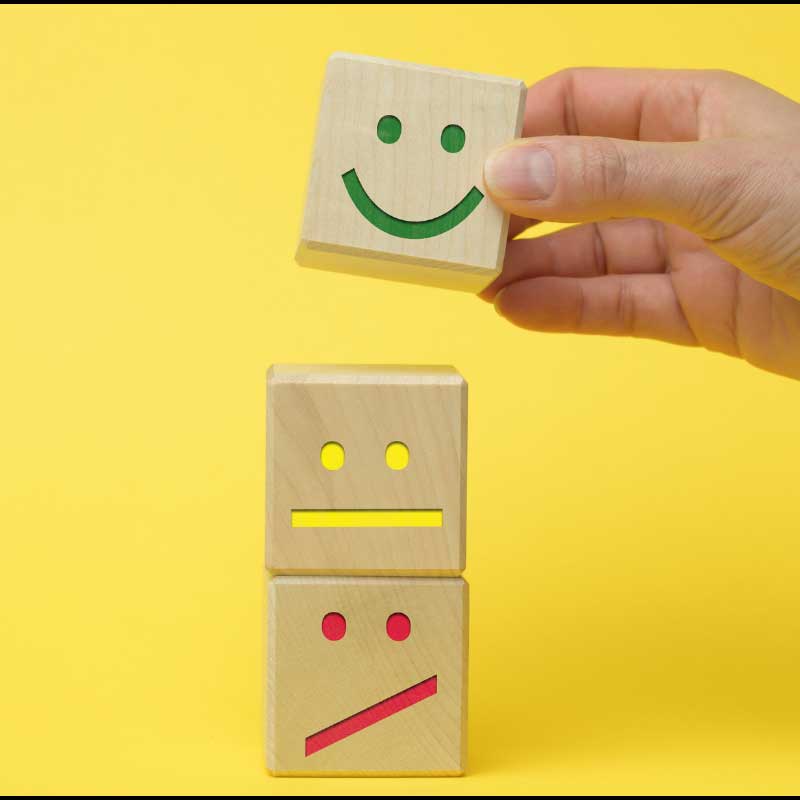
To truly understand someone, you need to know how they behave, what drives them, and when they respond.
That’s where the real power of technology comes in: it transforms gut feeling into a concrete, personalized experience.
Modern loyalty and customer analytics platforms enable brands to:
-
track user behavior
-
segment audiences by interests, values, and habits
-
automatically create personalized offers and messages that hit the right moment—and the right emotion
Instead of generic communication, the customer receives content tailored to their context, habits, and previous interactions.
Instead of just another email campaign, they receive a message that truly resonates.
This is exactly what platforms like Spotlight are built to deliver.
Discreetly, but powerfully, they help brands shift from standard CRM to relationships that are actually remembered.
And to sum it up…
If a brand doesn’t spark emotion—it will be forgotten.
If it doesn’t build a bond—it will be replaced.
And if it never feels like theirs—it will never earn true loyalty.
Emotional branding isn’t a matter of budget—it’s a matter of choice.
Ready to move from campaigns to real connections?
Then you already know where to start.