
Impulse buying sometimes makes up as much as 80% of sales. Discover how to encourage it with the right tactics and increase the average value of every cart.
Picture a shopper who walks in for just one item. Five minutes later, they leave with a full basket. That’s the moment every store wants to recreate.
Of course, you’re wondering what you can add to the shopping experience to spark that impulse?
Do you feel like you’re missing out on extra revenue because you don’t have a mechanism to capture that moment?
Discover it!
Why impulse buying is gold for retailers
Impulse buying is every decision made “on the spot” – without a plan, without much thought, triggered by a sudden feeling, a visual cue, or an attractive offer.
It’s that moment when a shopper grabs a chocolate bar at the checkout, adds another item to their online cart because of a “buy now and save” message, or decides to try a new brand just because they saw it placed in an eye-catching spot in the store.
For experienced retailers, that’s not coincidence – it’s opportunity.

Data shows that impulsive decisions account for a huge share of revenue: in retail and FMCG, it’s estimated that between 40% and even 80% of purchases fall into this category.
In other words, almost every second customer makes at least one unplanned decision during shopping.
When these percentages are translated into real amounts at the checkout, it becomes clear that impulse buying is not a side phenomenon, but a driver of additional profit.
For businesses, the key value of impulse buying lies in its impact on the average basket size and long-term customer loyalty. Every time you encourage a shopper to add “just one more thing,” you increase revenue per visit. But more importantly – a customer who feels rewarded, surprised, or inspired during shopping is more likely to come back. That’s why encouraging impulse is not just about boosting immediate sales, but also about strengthening relationships with customers and creating a habit of returning to you again and again.
The psychology of impulse buying
Impulse buying is never random – it’s driven by psychological mechanisms that brands can leverage.
At its core, shoppers respond to emotions, not logic. That moment when a product “triggers a feeling” often outweighs rational calculation. Understanding the psychology of impulse is therefore crucial for every retailer.
Emotions as the main driver
Joy, curiosity, a sense of reward, or simply the desire to treat oneself – all of these emotions can move a shopper’s hand toward an extra item. Neurological studies show that impulse buying activates the brain’s pleasure centers, almost like a small “dopamine hit.” Businesses that succeed in linking products with positive emotions have a greater chance of sparking a quick decision.
Visual stimuli and urgency
The way a product is presented has a decisive impact on impulse. Bright colors, standout packaging, messages like “today only” or “while supplies last” create urgency. The customer doesn’t want to miss out and decides instantly. This fear of missing out (FOMO) is one of the strongest triggers brands use – whether it’s a sign at checkout or a notification on the phone.
Triggers businesses can use
-
Limited time: flash sales, happy hours, “2 hours left” deals.
-
Personalized discounts: coupons tailored to customer habits – feel like an exclusive privilege.
-
On-the-spot rewards: extra points or cashback, a gift with purchase, or a surprise bonus in the app.
The difference between physical and online shopping
In brick-and-mortar stores, impulse relies on immediate visual and tactile stimuli – items at checkout, store layout, scents.
Online, triggers are digital: push notifications, “others just purchased,” countdown timers, and algorithm-driven “you may also like” suggestions. In both cases, the goal is the same – to create a sense that the decision is urgent and rewarding.
The role of loyalty programs in impulse buying
Impulse buying thrives in an environment that constantly “feeds” the shopper’s desire to add more to their basket. That’s where loyalty programs come in – not just as a reward system, but as a strategic mechanism to trigger impulse.
Personalization and segmentation as impulse fuel
Mass promotions rarely spark real emotion. Customers feel like one in the crowd. By contrast, a loyalty program allows messages to be tailored precisely to individual habits. If a customer often buys coffee, they’ll get a coupon for coffee. If they shop on weekends, the notification arrives Friday evening. This precise targeting and segmentation makes offers feel personal and irresistible – the perfect impulse trigger.
The right trigger at the right time
Impulse doesn’t wait – it flares up and fades in seconds. Loyalty programs use tools that deliver the message exactly then:
-
SMS or Viber message: short and direct, while the customer is on the move.
-
Push notification: triggered when the shopper is near the store or logged into the webshop.
-
Coupon in the app: “discovering” a surprise reward on the spot amplifies the feeling of delight.
That way, the loyalty program becomes the bridge between the moment of desire and the purchase itself.
Why it’s better than plain discounts?
Discounts are quick but costly – every promotion eats into margin.
A loyalty program offers a smarter route: rewarding customers with points, privileges, and exclusive treatment, while building long-term habits.
Instead of shopping only when prices drop, customers develop a sense of belonging and exclusivity – access to something others don’t have. This means the impulse isn’t “wasted” on a one-time discount but transformed into repeat actions that boost loyalty and lifetime value.
Spotlight Loyalty – your weapon for triggering impulse
Spotlight Loyalty is not just another rewards program – it’s your secret weapon for sparking impulse. Instead of scattered data, you get a 360° view of every customer: what they buy, how often they visit, when they spend the most, and where they react best to offers.
Through RFM segmentation and customer analysis, Spotlight shows you who your most valuable customers are, who buys occasionally, and who can be “woken up” with the right trigger. Instead of shooting in the dark with discounts, you get precise targets.
But it doesn’t stop there – Spotlight adds cashback as motivation for repeat purchases, gift cards that expand your customer base, and missions and badges that turn shopping into a game customers want to play. And it all works seamlessly because Spotlight integrates directly with your POS and e-commerce systems – right where purchases happen.
Here’s what it looks like in practice:
-
Push notification at the right time: “Today only – double points on your 5 pm purchase.” A short, direct message turns an ordinary day into a reason for an extra visit and unplanned purchase.
-
Coupon that drives another purchase: After the third visit, a discount or bonus unlocks automatically. The customer doesn’t want to “miss out” on the reward – so they come for the fourth time.
The result? Customers feel rewarded, engaged, and special – and you gain the power to turn every impulse into revenue.
Techniques for Stimulating Impulse Buying
Impulse doesn’t just happen on its own – it’s triggered when the shopper gets “hit” with the right cue at the right moment. In an online environment, these triggers work on emotions, attention, and the sense of urgency. Brands that use them wisely can turn ordinary website visits into extra purchases.
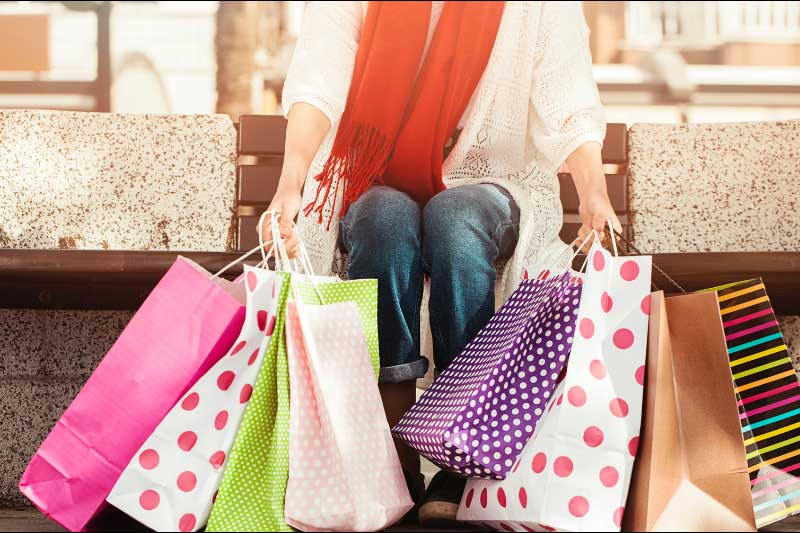
Branded Displays and Digital Screens
Highlighting products in visible spots (banner, pop-up, first position on the list) grabs attention and interrupts the shopper’s thought flow. This activates a visual impulse – the shopper reacts to what’s “right in front of their eyes” and often adds the product even if it wasn’t part of the plan.
Cross-Sell and Upsell Offers
These offers appeal to the feeling of “value for money.” The shopper gets the message that with a small addition they gain more – whether it’s free shipping, an upgraded version of the product, or an extra benefit. Psychologically, it’s hard to resist when there’s a sense of missing out on greater value for a minimal cost.
Personalized Coupons and Push Notifications
These triggers spark a sense of exclusivity. When a shopper receives a message that feels like it was “made just for them,” a personal impulse kicks in – they don’t want to miss out because they perceive the offer as unique. This lowers resistance and speeds up the purchase decision.
Gamification and Rewards
Collecting points, badges, or unlocking bonuses taps into the psychology of play and achievement. The shopper feels satisfaction in “progressing” and wants to complete the challenge. In that process, they often add items they wouldn’t normally buy, just to reach the reward.
Limited-Time Offers and Exclusive Tiers
Urgency and a sense of privilege are the strongest impulse triggers. When there’s a time limit or an offer available only to a select group, the shopper experiences FOMO (fear of missing out). Research confirms that this fear sparks quick responses – purchases become instant decisions, not carefully planned actions.
How to Start Encouraging Impulse Buying
Encouraging impulse buying isn’t complicated when you have the right tools – but the first steps are crucial.
Here’s a simple guide:
-
Define customer segments
Start with the data you already have. Who are your most frequent shoppers? Who buys rarely but spends more? Who visits often but with small basket sizes? Segmentation gives you the basis for creating personalized triggers – because what sparks impulse in one profile might not work for another. -
Set rewards and personalized missions
Once you know your segments, design the rules of the game. Rewards don’t have to be just discounts – they can be points, badges, bonus products, or exclusive access to offers. Missions like “buy three times this month and unlock a bonus” motivate shoppers to return and make impulsive decisions along the way. -
Activate communication channels
Real impulse happens in the right moment. That’s why you need direct channels to reach the shopper: SMS for fast actions, push notifications when they’re online or near your store, and email marketing for personalized coupon campaigns. More channels mean more chances to hit the right moment.
By doing this, impulse buying stops being accidental – it becomes a structured part of your sales strategy.
FAQ (Frequently Asked Questions) About Impulse Buying
1. What is impulse buying and how can you recognize it?
Impulse buying is an unplanned decision made “in the moment,” usually triggered by emotions, visual cues, or an attractive offer. You can recognize it when the shopper had no intention of buying the product before seeing it or receiving the stimulus.
2. Which tactics work best for encouraging impulse buying?
The most effective ones are those that create a sense of urgency or exclusivity: highlighted product displays, cross-sell and upsell offers, personalized coupons, gamification (points, badges), and limited-time flash deals.
3. Can a loyalty program increase impulse purchases?
Yes. A loyalty program enables personalized incentives and rewards that appear at just the right moment – via SMS, push notifications, or in-app coupons. That way, impulses don’t happen by chance but become part of a planned strategy.
4. How do you distinguish a “good” impulse from excessive discounting that hurts profit
A “good” impulse is one that motivates the shopper through added value – points, badges, a sense of privilege – without aggressive price cuts. Heavy discounting may boost sales short-term, but in the long run, it erodes profit and trains customers to buy only when items are on sale.
5. How does Spotlight help encourage and measure impulse buying?
Spotlight provides a 360° view of the customer, segmentation, and tools like cashback, gift cards, and missions. The platform not only triggers impulse with the right cue (push, SMS, coupon) but also measures the results precisely – from increased basket size to higher customer return rates.
Impulse isn’t random – it’s a moment you can control and direct. The sooner you turn it into your advantage, the faster you’ll see growth.