
How do you build brand loyalty that drives real growth? Discover the key tactics, the biggest mistakes to avoid, and what truly creates a lasting connection between customers and your brand.
Are you wondering how to keep customers from choosing the cheapest option next time—how to stop chasing them with discounts and ads?
If you’ve ever wished people would buy from you not just because you’re offering the lowest price today—but because they trust your brand, connect with your values, and feel like they belong—then you’re asking the right question: how to build brand loyalty.
Brand loyalty isn’t a luxury for big corporations. It’s the foundation of a resilient business. And no, it doesn’t happen by accident. This guide dives into what brand loyalty really means—and how to build it through understanding consumer behavior, emotions, and long-term strategy.
Why Is Everyone Talking About Brand Loyalty Right Now?
In a world where competition is just a click away and attention spans are shorter than ever, brand loyalty is what separates brands that get remembered from those that disappear the moment an ad stops running.
Having a good product is no longer enough.
Customers want more: a story, a set of values, a reason to trust—and they want it consistently.
Just look at Apple. People line up for a product they already own, just in a newer version. Nike doesn’t just sell sneakers—it sells identity. And local brands aren’t excluded from this either: your favorite neighborhood coffee shop, or that homegrown skincare brand you stick with because “you know who’s behind it.”
These are all examples of brand loyalty that can’t be measured by price—but by emotion.
That’s why customer loyalty isn’t a nice-to-have. It’s your lifeline. And today, it’s more valuable than ever.
What Is Brand Loyalty—and What Truly Defines It?
Brand loyalty isn’t just when a customer comes back to buy again. Real loyalty runs deeper—it’s the emotional connection a consumer forms with your brand. It’s when they don’t even consider alternatives, even if they’re cheaper. It’s when they recommend you to friends, defend you online, and buy even when they don’t really need to.
Brand loyalty is built through trust, consistency, and shared values.
It’s not the result of a great campaign, but of a meaningful customer experience—shaped and reinforced over time, one interaction at a time.
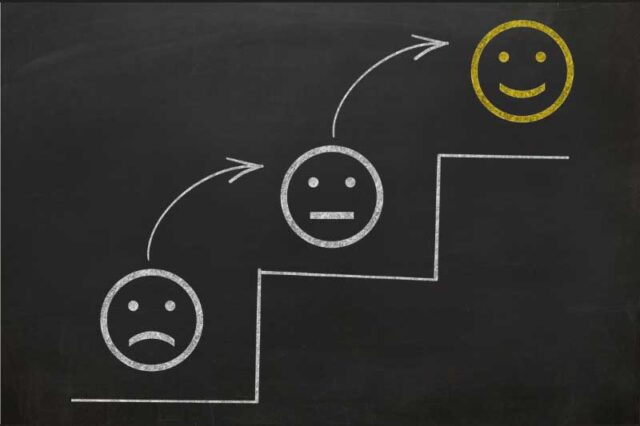
It’s important to distinguish loyalty from mere habit.
A habit is when someone buys out of convenience—maybe it’s the closest store, familiar packaging, or just part of their routine. But as soon as circumstances change, that so-called “loyalty” disappears.
True loyalty is a conscious choice.
The customer chooses a brand because they believe in it, because they see themselves in it—not because it happens to be nearby.
So if you want customers who stick with you even when the market gets shaky—don’t build a habit. Build a relationship.
How? Let’s break it down
A Loyalty Program as a Tool for Building True Brand Loyalty
You might have an amazing product and a great ad campaign that attracts customers—but if they don’t have a reason to come back, your strategy has a gap.
A loyalty program is how you close that gap.
But not just any loyalty program.
Forget stamp cards and one-time discounts. Today’s loyalty requires more—personalization, engagement, gamification, digital integration, and real value for the customer.
That’s where the Spotlight loyalty program comes in.
Spotlight is a platform built on real consumer behavior. It doesn’t just reward purchases—it strengthens relationships, builds trust, and keeps your brand top of mind.
Through intelligent segmentation, automated communication, and the ability to create different loyalty levels, Spotlight enables you to approach each customer in a targeted way – as if they were the only one.
This is an innovative platform that goes beyond standard loyalty programs. Here’s what sets it apart:
Personalization and segmentation:
Spotlight enables detailed user segmentation and personalized offers based on customer habits and preferences.
Gift cards – a gift that gives back:
One of the most powerful tools for increasing sales and attracting new customers are gift cards. This means you not only expand your network, but also encourage the gift recipient to become a loyal customer.
Branded mobile app:
For today’s users, everything needs to be available – instantly. Spotlight offers your own branded app, where users can:
– track their points and loyalty levels,
– activate discounts,
– receive notifications about special offers,
– use digital cards instead of physical ones.
This app isn’t generic – it looks and feels like part of your brand and gives users a sense of belonging.
Marketing automation:
Through integration with multiple communication channels (email, SMS, Viber, push notifications), Spotlight automates your marketing campaigns, increasing both efficiency and user engagement.
Gamification and rewards:
By introducing game-like elements such as loyalty tiers and a points system, Spotlight motivates users to interact more often and make repeat purchases.
Analytics and data insights:
The platform provides detailed behavioral analytics through a customer data platform, enabling brands to make informed decisions and adjust strategies in real time.
Unlike many other systems, Spotlight combines loyalty, analytics, and automation into a single, unified platform.
What Do You Gain?
– Customers who keep coming back
– Higher average order value
– Word-of-mouth that spreads organically
In a world where customers have every option at their fingertips, loyalty can’t be assumed. It must be earned—and Spotlight can be your most reliable ally in that journey.
5 Signs of True Brand Loyalty
Brand loyalty reveals itself through very specific behavior patterns.
If you’re wondering whether your customers are truly loyal—or just buying out of convenience—here are five clear indicators of genuine loyalty:
1. Emotional Connection
Loyal customers don’t choose you just for the product—they believe in your brand.
They connect with your values, aesthetics, and philosophy.
Research published in the Asia Pacific Journal of Marketing and Logistics shows that the emotional component of a customer’s experience has a direct impact on loyalty. The stronger the emotional bond, the more likely the customer is to return—even when a competitor offers a lower price or a similar product.
In other words: people don’t stay loyal because they have no better option.
They stay because your brand makes them feel better.
2. Repeat Purchases
A one-time sale can be a fluke. But when a customer returns again and again—that’s a sign of trust and satisfaction.
Loyal customers don’t shop around every time. They know what they like—and where to find it.
3. Referrals and Recommendations
True loyalty often leads to advocacy.
When customers recommend your brand to friends, mention you in conversations, post about you online or leave glowing reviews—you’ve created more than a transaction. You’ve built a relationship.
4. Willingness to Pay More
Loyal customers won’t abandon your brand at the first sight of a cheaper alternative.
They understand the value they’re getting, and they’re willing to pay a little more because they trust in your quality, experience, and consistency.
5. Resistance to Competition
Even when a competitor enters the scene with new products, flashy promotions, or aggressive advertising—loyal customers stick around.
They may notice the competition, but they rarely switch.
When you recognize these five traits in your customers, you know that you haven’t just made a good product, but also built a community that believes in your brand and in your way of improving sales. And that’s a kind of value no ad can replace.
How to Build Brand Loyalty: Strategies That Work
Brand loyalty doesn’t happen overnight. It’s built over time, with every interaction, every purchase, every message you send.
Here are five strategies that actually work—used by the kind of brands customers keep coming back to:
Quality and Consistency
Without quality, there’s no trust. And without consistency, there’s no loyalty.
Customers want to know what to expect—every time. When your product or service consistently meets (or exceeds) their expectations, it becomes the foundation of loyalty. Unpredictable brands rarely keep anyone around.
Loyalty Programs
A well-designed loyalty program motivates customers to return, rewards their commitment, and encourages additional purchases.
Solutions like Spotlight allow you to track, reward, and engage each customer through personalized offers, points, and gift cards—with no extra effort on your part.
Personalized Communication
People don’t want to feel like just another number in your database.
They want to feel recognized. They want your brand to recognize what matters to them and reach out at the right time.
Smart, automated messages—like birthday greetings or personalized offers based on purchase habits—make customers feel valued. And that changes everything.
Post-Purchase Support
The purchase isn’t the end of the relationship—it’s just the beginning.
A brand that provides quick, helpful, and friendly support after the sale builds confidence. Whether it’s handling returns, helping with product use, or following up on the experience—post-purchase care creates lasting trust.
Authentic Brand Values
Customers today connect with brands that stand for something.
Whether it’s a point of view, a set of values, or a lifestyle, people stay loyal to brands that consistently communicate who they are and why they exist.
If your brand is clear and consistent in its message, you’re more likely to build a community—not just a customer base.
Brand loyalty must be earned and these are your tools. Apply them consistently, and your customers won’t just make purchases—they’ll make intentional, lasting choices.
Why Brand Loyalty Matters
Brand loyalty isn’t just a nice idea. Here’s why it’s a powerful business advantage:
Lower Acquisition Costs
It’s more expensive to gain a new customer than to keep an existing one—often 5 to 7 times more. Loyal customers already know your brand, trust it, and don’t require big campaigns to convince them to buy.
Less advertising. Fewer discounts. More profit.
Higher Customer Lifetime Value (CLV)
Returning customers spend more over time. They don’t just make repeat purchases—they explore new products, try additional services, and generate ongoing revenue.
This raises your CLV—a key metric of long-term profitability.
Word-of-Mouth Marketing
Satisfied, loyal customers don’t stay quiet.
They talk, recommend, share online, and defend your brand when needed. No ad can match the power of a friend’s recommendation.
Revenue Stability and Crisis Resilience
When markets shift—prices go up, competition gets fierce, and consumers get cautious—loyal customers stay.
They’re your safety net. The support system that keeps your business steady without panic moves or heavy losses.
Brand loyalty is a strategic asset. Without it, every next stage of growth becomes more expensive, slower, and less certain.
Loyalty in Consumer Behavior
Loyalty isn’t just an attitude—it’s a behavior. It can be observed, measured, and even predicted.
In practice, loyal customers behave differently than impulse buyers.
They shop without needing reminders. They visit your site or store without a clear intent to buy. They follow your content, respond to campaigns, and use promo codes—not for the discount, but because they feel connected to your brand.
Buying becomes part of their routine.
This is where psychology kicks in: if the experience is consistently positive, the brain builds a shortcut.
Instead of considering options, the customer automatically chooses you.
This emotional shortcut is what separates loyalty from pure logic—feeling often wins over price.
And loyal customers tend to be more forgiving when things go wrong.
They’re more likely to give you a second chance, leave feedback, or even contribute to product development—because they care.
Types of Brand Loyalty and How to Recognize Them
Not all loyalty is created equal.
Customers can be loyal for different reasons—some consciously, others not. Understanding the types of loyalty helps you better interpret customer behavior and tailor your strategy to each group.
Inert Brand Loyalty
This is loyalty by habit.
The customer buys your product because it’s familiar, convenient, or always available—not because they’re emotionally attached.
Think of someone who’s bought the same laundry detergent for years—without really thinking about it.
If a cheaper or more convenient option shows up, they’ll likely switch.
How to spot it?
These customers don’t engage with your brand, ignore your communication, and easily drift toward better deals.
Latent Brand Loyalty
This type of loyalty exists emotionally, but not behaviorally.
The customer loves the brand, trusts it, and even recommends it—but rarely buys, simply because they don’t need to (e.g. cars, luxury tech, or high-end fashion).
How to spot it?
They speak positively about your brand, engage with your content, but don’t make frequent purchases due to the nature of the product.
True Brand Loyalty
The ideal scenario.
High emotional connection and frequent purchases.
These customers follow your updates, leave reviews, refer friends, return to your site without reminders, and promote your brand because they believe in it.
How to spot it?
High purchase frequency, high engagement, positive feedback, referrals, use of loyalty benefits, and excitement around new launches.
Knowing the difference between types of loyalty helps you avoid a one-size-fits-all approach.
It empowers you to create smarter, more effective loyalty strategies—and build a brand that lasts.
Brand Loyalty vs. Price – What Truly Wins?
The timeless question: will customers stay loyal if a competitor offers a lower price?
The truth? Some won’t.
But the ones who do—they’re worth more than ten who show up for the discount.
Price may trigger action, but it’s not a sustainable strategy.
Real loyalty is built on experience, values, and trust.
When customers know what to expect, feel safe, and sense authenticity—price becomes secondary. Not irrelevant, but not decisive.
Smart brands know this. Instead of chasing price wars, they:
-
Offer added value (better service, personalization, support)
-
Create emotional connections (with stories, values, and tone)
-
Build loyalty programs that reward commitment, not just volume
-
Foster a community where customers feel seen, not counted
Customers may come for the price—but they stay for the relationship.
When you consistently give them a reason to believe, you don’t have to “buy” their loyalty. At that point, loyalty becomes stronger than logic.
If You Want More Than a Number in Google Analytics…
If you want a community—not just transactions—
it’s time to make brand loyalty more than a buzzword in your marketing plan.
It’s time to make it a system that works for you 24/7.
Try Spotlight and discover what it feels like when your customers buy because they want to—not because you begged them to.